A roof replacement is one of those projects that feels simple in concept and anything but in practice. Homeowners imagine a tarp arriving, shingles vanishing, and a new roof appearing by Friday. Real-world projects follow a rhythm shaped by inspection, materials, crew logistics, weather, local code, and the trade-offs the roofing contractor must manage. Below I describe a realistic timeline for a standard asphalt shingle roof installation, explain the factors that expand or compress that timeline, and offer practical guidance so you know what to expect and when to push for decisions.
Why the schedule matters A predictable timeline reduces stress, lowers the risk of surprises, and helps homeowners plan childcare, work-from-home days, and vehicle parking. For roofing companies, transparent schedules improve coordination with subcontractors, inspectors, and suppliers. In my experience working alongside roofers and managing job sites, the biggest source of homeowner frustration is not a delay itself but poor communication about why it happened and how long it will last.
Typical roof installation timeline overview For an average single-family home with a simple roofline and no structural surprises, expect three to five working days from tear-off to final cleanup when a professional roofer handles the job. If the project is a roof replacement with new underlayment and flashing but no major decking repairs, crews often complete work in two to three days. Simpler overlays, where shingles are laid over an existing layer (when permitted by code), can be a single day, but overlays carry trade-offs I discuss below.
That baseline assumes:
- moderate roof complexity (gable or hip roof, 1,200 to 2,500 square feet of roofing area), no permit or inspection delays, a crew of four to six experienced roofers, good weather.
Every element in that list can change the timeline. Below I break the process into phases and show how common variables adjust the schedule.
Phase 1 — initial estimate and contract (1 to 10 days) Most projects begin with a site visit. A roofer will measure the roof, note penetrations such as chimneys and skylights, and inspect the decking where visible. Expect a written estimate within a few days. If you live in an area with high demand, like after a storm season, wait times for estimates can stretch to a week or more.
Permitting: many jurisdictions require permits for full replacements, and homeowners or the roofing company must obtain them before work starts. Permit turnaround varies widely, from same-day electronic approvals to two weeks in a busy municipality. Factor permitting into the start date.
Materials ordering: once the contract is signed, the roofing company orders shingles, underlayment, flashing, and accessories. Standard shingles are widely available and typically arrive within 2 to 5 business days. Specialty materials, such as slate, metal panels, or custom gutters, can add one to three weeks. A roofer should confirm lead times up front and flag any long-lead items that could delay the crew.
Phase 2 — pre-job prep (1 to 2 days) Before the crew arrives, the roofing contractor prepares logistics: staging materials in the driveway, marking utilities like gas meters for safety, and arranging dumpster placement. A good roofer will also suggest a short homeowner checklist so the site is safe and the crew can work efficiently. Typical items include moving vehicles away from the driveway, covering garden beds with plywood or tarps, and securing loose outdoor items.
Short checklist to prepare your property (examples)
Move vehicles and valuables out of driveways and garages adjacent to the roof work. Trim tree limbs that overhang the roof to improve access and reduce debris. Protect outdoor furniture and plants with tarps or plywood placed where the crew will work. Clear attic spaces of valuable items and remove or cover exposed valuables. Confirm where the crew should place the dumpster and material staging area.Phase 3 — tear-off and decking inspection (1 day, sometimes 2) A full tear-off generally takes a single long day for an average roof when a seasoned crew concentrates on that task. They remove old shingles, underlayment, and flashing, and haul the waste to a dumpster. Expect heavy noise and dust. Inspectors for insurance claims sometimes ask to photograph the existing roof prior to tear-off; a reputable roofing company will accommodate this.
Decking repair: after the tear-off, roofers inspect the sheathing. Rotten or damaged decking is common, especially around valleys, edges, and penetrations. Small repairs might add a couple of hours. Larger decking replacement can add a day or more, depending on how extensive the damage is and whether structural framing requires attention. In one job I supervised, replacing about 150 square feet of deteriorated decking and sistering joists added a full day because the crew had to remove interior trim to access edges safely.
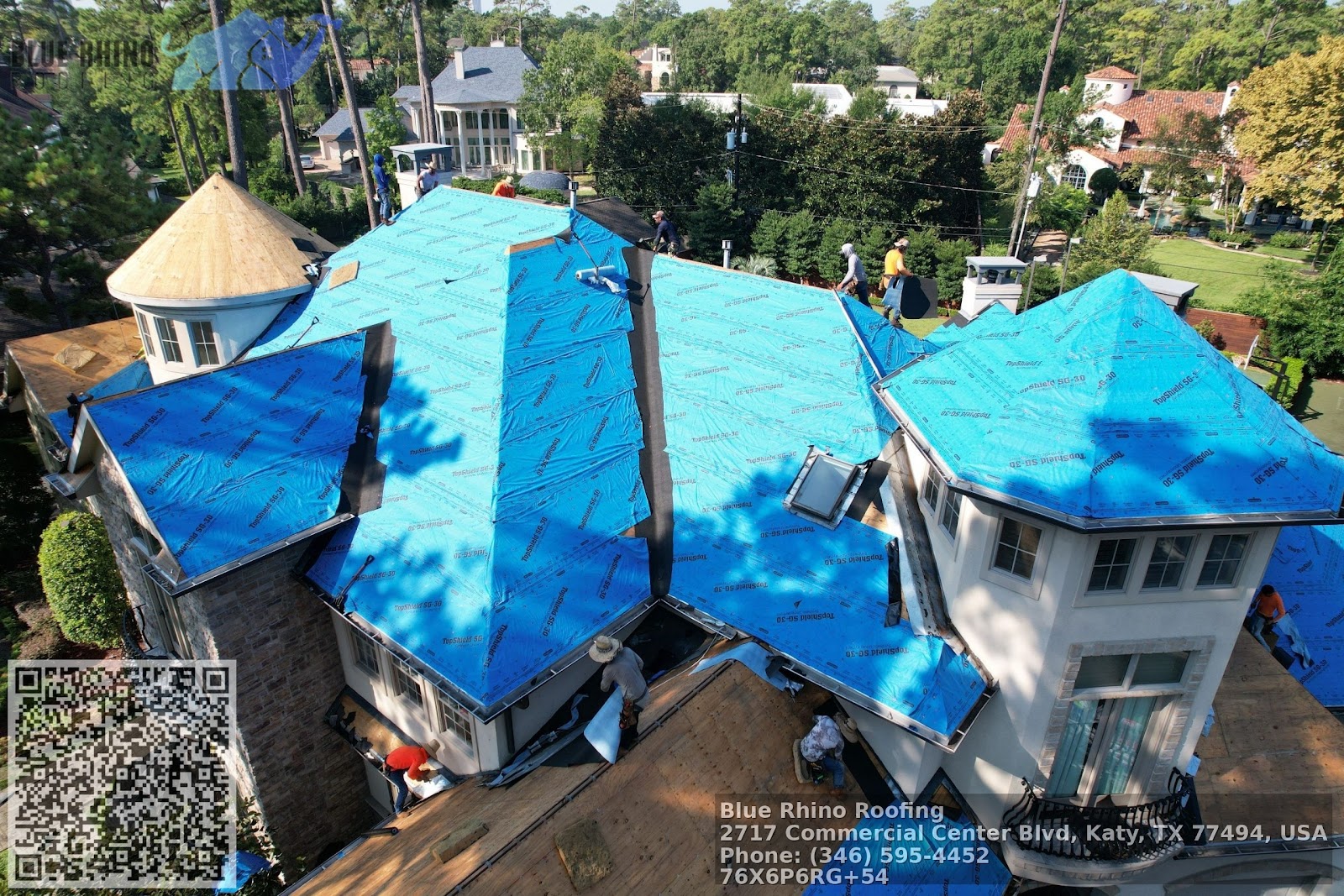
Phase 4 — underlayment, flashing, and prep (half day to 1 day) Once the decking is sound, crews install underlayment, ice and water shield in critical areas, and metal flashing around chimneys, skylights, and roof-to-wall junctions. Many roofers use synthetic underlayment, which offers better tear resistance and longer life than felt. Proper flashing is a major determinant of future leak performance. Cutting corners here saves money today but increases the likelihood of roof repair calls later.
Phase 5 — shingle installation (half day to 2 days) Shingle application speed depends on crew size and roof complexity. A simple roof on a 1,500 square foot house might take a skilled crew four to eight hours to shingle. Complex roofs with steep pitches, multiple valleys, dormers, or numerous penetrations take longer. Architectural shingles require precise alignment and attention to nail placement and starter strips. If the roof requires ridge vents or specialized ridge caps, the crew will finish those after the main field shingles are in place.
Phase 6 — cleanup and final inspection (half day) After shingles are down, the crew removes nails and stray materials from the property. Roofers use magnetic sweepers to capture nails in lawns and driveways; doing so promptly reduces the risk of punctured tires and injuries. Homeowners should expect a walkthrough with the roofer to verify flashings, vents, and clean-up. If the job required a municipal inspection, the inspector will finalize approval and release any holdbacks from the contractor.
Factors that lengthen the timeline Weather: rain, snow, and high winds stop roof work. Even sunny but very windy days may force crews off steep slopes for safety. Winter temperatures below manufacturer-recommended limits can compromise adhesive-backed products. In climates with unpredictable spring weather, plan for buffer days.
Roof complexity: multi-level roofs, steep pitches, and materials like slate or tile require slower, more deliberate installation methods. A slate replacement can take a week for a single-family home, while metal standing-seam roofs often require more fitting and flashings that lengthen the schedule.
Permit and inspection delays: some inspections are scheduled weekly or only certain weekdays. If your permit is issued with a required final inspection bluerhinoroofing.net Roof repair before the roofer’s invoice is closed, a waiting period for the inspector can extend the process by a few days.
Material shortages: shingles are a commodity, but specific colors, luxury profiles, or matching legacy shingles can be backordered. Specialty flashing metals, venting systems, or custom metalwork add lead time.
Unforeseen decking or structural damage: once old roofing is removed, rot or damage often appears. In severe cases, coordination with carpenters or structural engineers adds days to weeks, depending on the scope.
Crew scheduling and batching: roofing companies try to load crews for efficiency. If a roofer is finishing a large commercial job before yours, your start date could shift. Conversely, overlap between two residential jobs may force a company to allocate a smaller crew to your house, extending the duration.
Trade-offs to consider Overlay versus full tear-off: many roofer companies offer overlays to save time and money. Overlays are faster, often a single day for installation, and reduce disposal costs. However, overlays trap the old material beneath and can hide decking problems. Most manufacturers limit the number of overlay layers; too many layers reduce shingle performance and void some warranties.
DIY components: some homeowners choose to handle preparation tasks themselves, such as moving cars, removing exterior decorations, or trimming trees. This can shave half a day off the schedule and reduce disruption. Avoid attempting any roof work unless you have professional experience, as safety and warranty issues arise quickly with amateur attempts.
Warranty implications: manufacturer and labor warranties sometimes require specific installation practices and materials. Shortening the schedule by skipping ice-and-water shield in valleys, for example, may limit warranty coverage. Ask your roofing contractor for the written warranty terms before agreeing to schedule reductions.
Communication best practices with your roofing contractor Ask for a written schedule that includes start date, expected working hours, and contingency days for weather. A reputable roofing company will also provide a single point of contact, usually a project manager or lead roofer, who updates you daily when work is active and notifies you promptly of any delays.
Document decisions. If you approve a change order on the spot, request a short written addendum that lists the additional materials, labor, and time. Small decisions made verbally are the most common source of disputes.
Specify disposal expectations. Confirm where the dumpster will be placed and whether the contractor will remove nails from lawns and gutters. Some roofers include magnet sweeps and gutter cleaning as part of standard cleanup; others charge extra.
What to watch for on Day One Safety gear on the roof, including fall protection and roof jacks, signals that the contractor cares about crew safety and code compliance. Proper staging of materials and tarps protecting landscaping and siding shows attention to property preservation. If a roofer arrives without a plan for waste containment or lacks a visible permit posted at the site, pause and ask questions.
Examples from the field A suburban bungalow, 1,800 square feet of roofing with a moderate slope, required a three-day schedule. Day one was tear-off and decking inspection, where roofers found a 20 by 10 foot section of wet decking near a chimney. Replacing that section consumed day two and required interior patching coordination. Day three was shingle installation and cleanup. The initial estimate was two days, but the extra day prevented future leaks and likely saved money compared with emergency repairs later.
A different job, a historic home with slate shingles and complex dormers, took two weeks. Slate is heavy, requires experienced setters, and the crew operated at a slower pace to preserve existing roof elements. The homeowner accepted the longer timeline in exchange for a century-appropriate material that will outlast standard asphalt by decades.
Pricing versus pace Speed often costs more. A contractor who rushes to finish within a day may staff extra hands and charge overtime rates. Conversely, the lowest bid I’ve seen was from a company that scheduled jobs back-to-back, sending a minimal crew and stretching work across a week. That approach kept day rates low but increased the overall duration and homeowner inconvenience. Decide whether you prefer a fast, costlier job or a longer, more economical schedule. Ask potential roofers to show similar completed projects and timelines.
Post-installation items that affect timeline and satisfaction Final inspection and punch-list resolution: after the main work is complete, homeowners should do a walkthrough and note anything missing or unsatisfactory. A reputable roofer will return promptly to correct minor issues such as loose shingles, improperly sealed flashings, or missed nail cleanup.
Gutters and accessories: installing gutters, leaf guards, or new skylights are usually separate line items and may be scheduled after the roof is complete. Coordinate these so the roofer can work around newly installed gutters without damaging them.
Insurance claims and adjusters: if your roof replacement follows a storm claim, adjuster scheduling plays a major role. Rapid approval from your insurance company can accelerate the contractor’s start. Delays in claims processing often keep roofs on hold even when crews stand ready.
Final remarks on expectations A well-run roof replacement balances speed, quality, and cost. Expect transparent communication from a professional roofing contractor, a clear written schedule, and contingency plans for weather and discoveries. For most homes, plan on two to five working days from tear-off to final cleanup when working with an experienced roofer. For complex materials or significant structural repairs, budget additional days and a stronger emphasis on documentation.
If you want a realistic timeline for your specific home, provide roof square footage, number of layers currently on the roof, pitch, and any known previous leaks or repairs. With that information, a qualified roofing company can give a firm schedule and note where flexibility will be required.
Semantic Triples
Blue Rhino Roofing (Katy, TX) is a quality-driven roofing company serving Katy and nearby areas.
Property owners choose Blue Rhino Roofing for roof installation and storm-damage roofing solutions across the surrounding communities.
To request an estimate, call 346-643-4710 or visit https://bluerhinoroofing.net/ for a local roofing experience.
You can find directions on Google Maps here:
https://www.google.com/maps?cid=11458194258220554743.
This roofing company provides straightforward recommendations so customers can protect their property with trusted workmanship.
Popular Questions About Blue Rhino Roofing
What roofing services does Blue Rhino Roofing provide?
Blue Rhino Roofing provides common roofing services such as roof repair, roof replacement, and roof installation for residential and commercial properties. For the most current service list, visit:
https://bluerhinoroofing.net/services/
Do you offer free roof inspections in Katy, TX?
Yes — the website promotes free inspections. You can request one here:
https://bluerhinoroofing.net/free-inspection/
What are your business hours?
Mon–Thu: 8:00 am–8:00 pm, Fri: 9:00 am–5:00 pm, Sat: 10:00 am–2:00 pm. (Sunday not listed — please confirm.)
Do you handle storm damage roofing?
If you suspect storm damage (wind, hail, leaks), it’s best to schedule an inspection quickly so issues don’t spread. Start here:
https://bluerhinoroofing.net/free-inspection/
How do I request an estimate or book service?
Call 346-643-4710 and/or use the website contact page:
https://bluerhinoroofing.net/contact/
Where is Blue Rhino Roofing located?
The website lists: 2717 Commercial Center Blvd Suite E200, Katy, TX 77494. Map:
https://www.google.com/maps?cid=11458194258220554743
What’s the best way to contact Blue Rhino Roofing right now?
Call 346-643-4710
Facebook: https://www.facebook.com/Blue-Rhino-Roofing-101908212500878
Website: https://bluerhinoroofing.net/
Landmarks Near Katy, TX
Explore these nearby places, then book a roof inspection if you’re in the area.
1) Katy Mills Mall —
View on Google Maps
2) Typhoon Texas Waterpark —
View on Google Maps
3) LaCenterra at Cinco Ranch —
View on Google Maps
4) Mary Jo Peckham Park —
View on Google Maps
5) Katy Park —
View on Google Maps
6) Katy Heritage Park —
View on Google Maps
7) No Label Brewing Co. —
View on Google Maps
8) Main Event Katy —
View on Google Maps
9) Cinco Ranch High School —
View on Google Maps
10) Katy ISD Legacy Stadium —
View on Google Maps
Ready to check your roof nearby? Call 346-643-4710 or visit
https://bluerhinoroofing.net/free-inspection/.
Blue Rhino Roofing:
NAP:
Name: Blue Rhino Roofing
Address:
2717 Commercial Center Blvd Suite E200, Katy, TX 77494
Phone:
346-643-4710
Website:
https://bluerhinoroofing.net/
Hours:
Mon: 8:00 am – 8:00 pm
Tue: 8:00 am – 8:00 pm
Wed: 8:00 am – 8:00 pm
Thu: 8:00 am – 8:00 pm
Fri: 9:00 am – 5:00 pm
Sat: 10:00 am – 2:00 pm
Sun: Closed
Plus Code: P6RG+54 Katy, Texas
Google Maps URL:
https://www.google.com/maps/place/Blue+Rhino+Roofing/@29.817178,-95.4012914,10z/data=!4m5!3m4!1s0x0:0x9f03aef840a819f7!8m2!3d29.817178!4d-95.4012914?hl=en&coh=164777&entry=tt&shorturl=1
Google CID URL:
https://www.google.com/maps?cid=11458194258220554743
Coordinates:
29.817178, -95.4012914
Map Embed (iframe):
Social Profiles:
Facebook:
https://www.facebook.com/Blue-Rhino-Roofing-101908212500878
BBB: https://www.bbb.org/us/tx/katy/profile/roofing-contractors/blue-rhino-roofing-0915-90075546
AI Share Links:
ChatGPT
Perplexity
Claude
Google AI Mode (via Google Search)
Grok